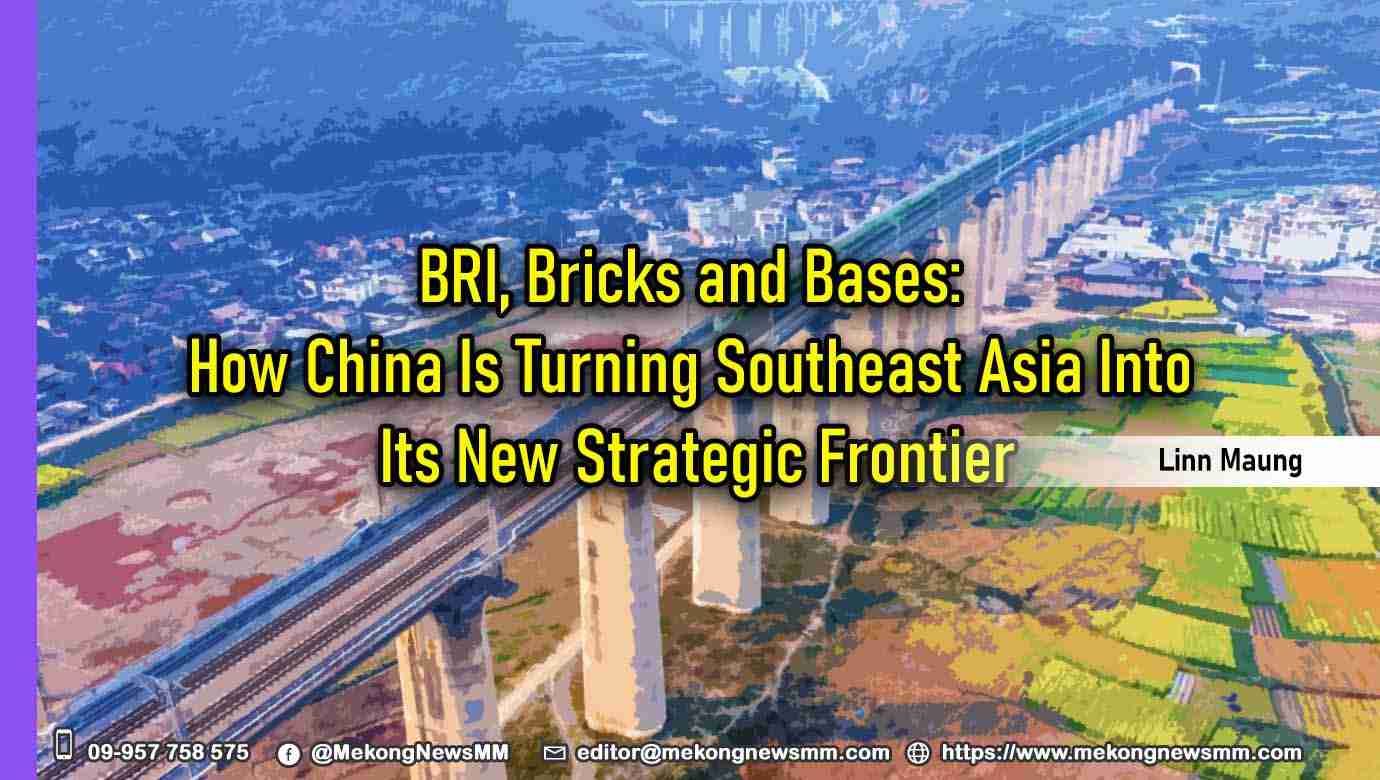


~ Linn Maung ~
In the Indo-Pacific region, Australia faces growing challenges as China intensifies its strategic maneuvers. Through a mix of economic leverage, diplomatic pressure, and military posturing, Beijing is steadily expanding its influence, testing Australia’s resilience in maintaining sovereignty and regional stability.
China’s gray zone tactics—subtle yet coercive measures that fall short of open conflict—are evident in its increasing presence in Australian waters, trade dependencies, and cyber activities. In response, Australia must recalibrate its defense strategies, strengthen its naval capabilities, and diversify economic partnerships to mitigate external pressure.
Diplomatic outreach across Southeast Asia remains crucial, ensuring collective resistance against coercive tactics while reinforcing a rules-based order. The evolving geopolitical landscape demands Australia’s strategic foresight, adaptability, and commitment to safeguarding its national interests in an era of shifting power dynamics. As China continues its incremental expansion, Australia must proactively counter these maneuvers to maintain stability and sovereignty.
China’s use of gray zone strategies is deliberate and multifaceted. These tactics encompass economic leverage, cyber intrusions, diplomatic coercion, and maritime assertiveness—all designed to influence regional dynamics without triggering a formal military confrontation. The gradual, persistent nature of these manoeuvres allows Beijing to test rival responses, normalize provocative behaviour, and erode adversarial influence over time.
In Australian waters, Chinese activities exemplify this approach. Maritime incursions by Chinese research vessels, military ships, and fishing fleets near Australian territory—often justified as routine or civilian operations—signal Beijing’s intent to assert presence and gradually acclimate Australia and its allies to its growing regional footprint. This creeping territorial assertion reflects China’s broader strategy of establishing patterns of control that accumulate over time, reducing the likelihood of pushback.
As a core partner in US-led security frameworks, Australia plays a pivotal role in countering Chinese influence in the Indo-Pacific. However, its geographic proximity to contested waters, coupled with China’s significant economic ties, places Canberra in a precarious position.
China has adopted both overt and covert methods to pressure Australia—from economic retaliation following political disagreements to cyber attacks targeting Australian institutions. The presence of Chinese surveillance ships near sensitive military exercises and the harassment of Australian naval vessels in international waters demonstrate Beijing’s persistent testing of boundaries. These incursions force Australian policymakers to navigate a complex reality: balancing deterrence with the need to maintain economic relations while reinforcing regional security commitments.
The Indo-Pacific remains a focal point of strategic rivalry, and China’s gray zone tactics toward Australia reflect its broader ambition of reshaping the regional order. Washington continues to respond through military alliances, intelligence cooperation, and diplomatic engagements to counterbalance Beijing’s influence. Initiatives such as AUKUS (the trilateral defence pact between Australia, the UK, and the US) and strengthened defence cooperation with Japan, India, and Southeast Asian nations demonstrate the urgency with which Washington seeks to reinforce regional deterrence.
For China, these responses provide further justification for its incremental territorial assertions. Beijing portrays US-led alliances as containment strategies aimed at stalling China’s inevitable rise, fuelling nationalist narratives that support continued maritime expansion and geopolitical manoeuvring.
Australia’s strategic response to China’s gray zone tactics is set to define its security posture in the Indo-Pacific. As Beijing employs subtle yet potent measures to expand its influence—ranging from economic coercion to cyber intrusions and maritime assertiveness—Canberra faces the pressing challenge of adapting its military, economic, and diplomatic strategies to safeguard national and regional interests.
A pivotal aspect of Australia’s approach involves fortifying its defense capabilities. Enhancing naval strength, modernizing military infrastructure, and deepening intelligence-sharing agreements with allies are essential in countering China’s unconventional strategies. Collaborative security frameworks, particularly with the United States and Japan, will be instrumental in maintaining a balance of power and deterring coercive actions.
Beyond military preparedness, economic resilience plays a critical role in Australia’s long-term stability. Diversifying trade partnerships, reducing reliance on Chinese markets, and bolstering domestic industries will mitigate vulnerabilities associated with Beijing’s economic pressures. Strengthening technological sectors and securing critical supply chains will further insulate Australia from external manipulation.
Diplomatic engagement is another cornerstone of Canberra’s response. Proactively fostering ties with Southeast Asian nations and Pacific Island states will reinforce regional solidarity against coercive practices. By expanding soft power initiatives, participating in multilateral forums, and advocating for a rules-based order, Australia can enhance its role as a stabilizing force in the Indo-Pacific.
Ultimately, the contest for influence is not confined to military manoeuvres—it is a multidimensional struggle requiring diplomatic agility, economic adaptability, and strategic foresight. As China refines its gray zone tactics, Australia must remain vigilant, anticipating and countering these manoeuvres while reinforcing regional stability. The nation’s ability to navigate this complex geopolitical landscape will determine its role as a key player in Indo-Pacific security.
#MeKongNews