~ Linn Maung ~
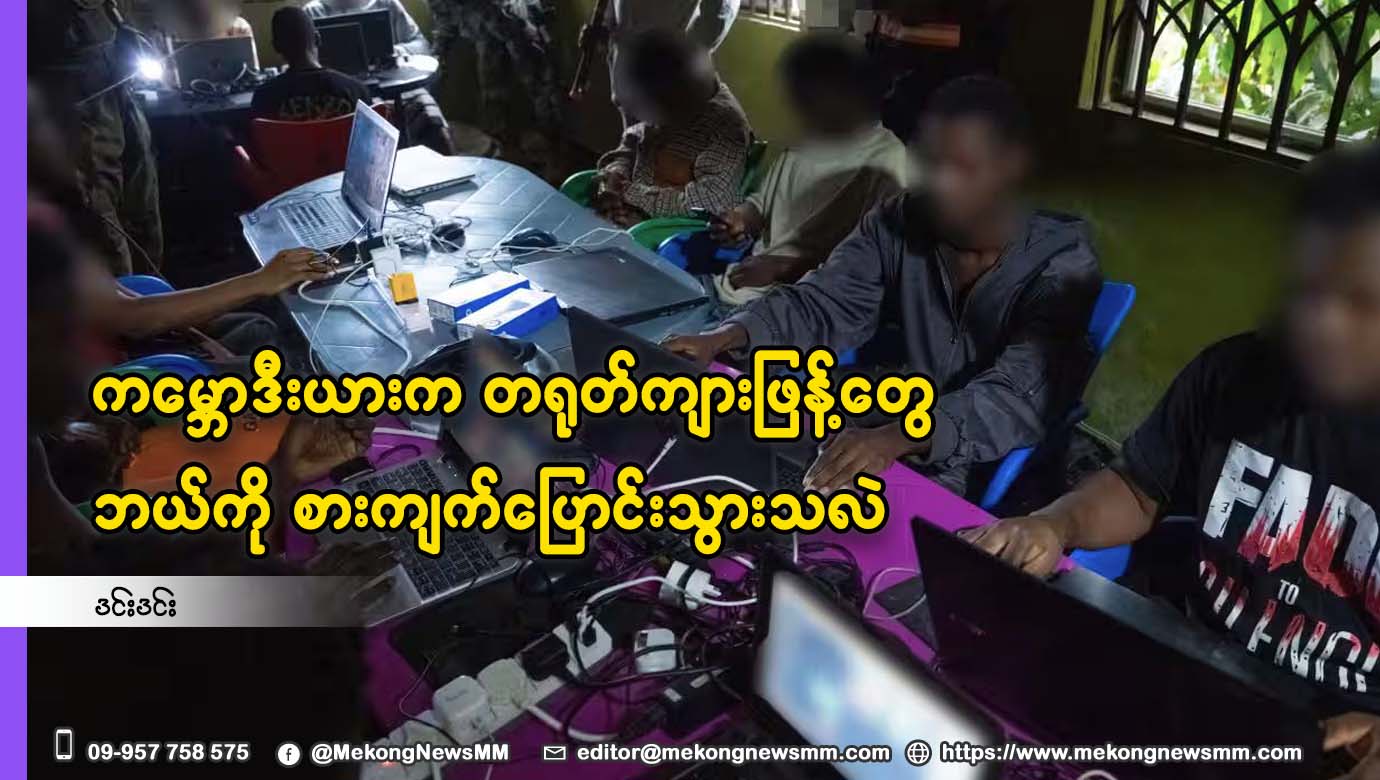
On the night of October 4, 2025, chaos erupted in Sihanoukville’s Chinatown Industrial Park, Cambodia. Over 100 Pakistani and Bangladeshi workers, reportedly employed by Chinese-owned companies involved in online gambling and telecom fraud, stormed offices and dormitories, smashing equipment and injuring several people. Cambodian special forces intervened by dawn, but the damage was done. The riot, allegedly triggered by wage disputes and religious tensions, has spotlighted a troubling pattern: China’s Belt and Road Initiative (BRI) is increasingly linked to criminal enterprises, exploitation, and geopolitical manipulation.
Sihanoukville, once a sleepy coastal town, has transformed into a Chinese-dominated enclave under the BRI. While Beijing touts the initiative as a vehicle for infrastructure and development, critics argue it has become a highway for crime. The U.S. Institute of Peace and other watchdogs have documented how Chinese-linked criminal networks have expanded across Southeast Asia, often operating under the guise of development zones.
One such zone is the Golden Triangle Special Economic Zone, established by Chinese businessman Zhao Wei in Laos. Though officially promoted as a development hub, it has become notorious for gambling, trafficking, and fraud. Zhao Wei’s ties to China’s Ministry of Public Security suggest state complicity or at least tolerance. His earlier ventures, like the Blue Shield Casino in Myanmar, were similarly linked to law enforcement symbolism, hinting at deeper institutional connections.
The COVID-19 pandemic accelerated the shift from physical casinos to online fraud. As borders closed and gambling restrictions tightened in China, these networks pivoted to telecom scams, creating mobile transnational infrastructures that exploit vulnerable populations. In Myanmar’s KK zone, victims of trafficking face horrific fates, including forced labour and organ harvesting. The International Rescue Organization has called it the “final destination” for human trafficking in Southeast Asia.
In October 2025, a Chinese court sentenced 39 members of the Ming family crime syndicate in northern Myanmar, with 11 receiving the death penalty. Their operations had generated over US $1.4 billion in illicit proceeds. Another figure, Shi Jiang, was arrested in Thailand after amassing US $300 million through fraud and trafficking. His case, along with that of Shaju Jiang a self-proclaimed former agent of China’s Ministry of State Security suggests that some of these criminal actors may have once operated under official protection.
Shaju Jiang’s claims, aired in an interview with Al Jazeera, are particularly damning. He alleged that the Belt and Road is not merely an economic project but a strategic tool for the Chinese Communist Party (CCP) to expand its global influence through financial and criminal networks. He even hinted at knowledge implicating top CCP leadership, including President Xi Jinping.
The Cambodian riot is not an isolated incident. It reflects a broader pattern of unrest and exploitation tied to Chinese investments. Cambodia’s Prince Group Holdings has been accused of laundering money and funding telecom fraud in Pacific Island nations. Romance scam syndicates, often led by Chinese nationals, have proliferated across Thailand, Myanmar, and Singapore. The kidnapping of Chinese celebrity Wong Shing in Myanmar exposed the scale of these underground networks, with over 70,000 people reportedly abducted annually in scam parks.
Leaked records briefly surfaced on Chinese social media before being censored, revealing connections between Thai military officers, Hong Kong entertainers, and Guangdong businessmen. Analysts argue that such transnational criminal systems could not survive without political protection. Crackdowns are often superficial, and many crime bosses maintain close ties with Chinese police and officials. Meanwhile, banks, telecom firms, and social media platforms have been accused of enabling these crimes.
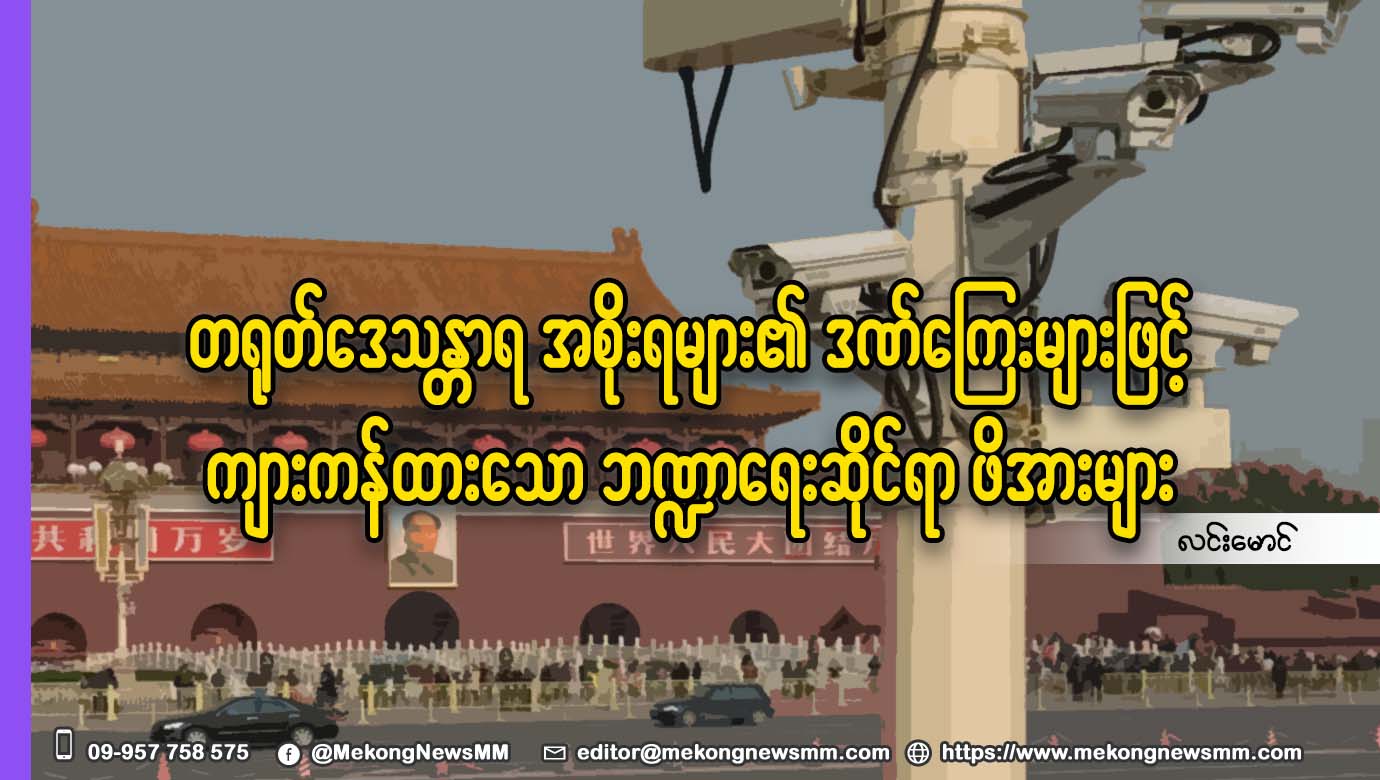
The CCP’s domestic surveillance apparatus is among the most sophisticated in the world, yet it appears selectively blind to criminal enterprises that serve its geopolitical interests. This contradiction raises a chilling question: Is the CCP exporting its authoritarian model built on fear, control, and corruption through the Belt and Road Initiative?
While Cambodia’s leadership continues to defend the BRI against accusations of “debt-trap diplomacy,” the reality on the ground tells a different story. Host countries often find themselves compromised, forced to tolerate corruption and organized crime in exchange for infrastructure and investment. The telecom fraud hubs emerging along the BRI are not anomalies they are symptoms of a deeper system, one that intertwines economic ambition with authoritarian expansion.
As the world watches the fallout from the Sihanoukville riot, it must also reckon with the broader implications. The Belt and Road Initiative, once hailed as a vision for global connectivity, now risks becoming a conduit for exploitation, criminality, and authoritarian influence. The international community must demand transparency, accountability, and reform not just from host nations, but from Beijing itself.
Sources:
https://chinaglobalsouth.com/2025/09/10/cambodia-defends-china-belt-road-debt-trap/
http://en.sasac.gov.cn/2025/04/25/c_19227.htm
https://brimonitor.org/wp-content/uploads/2024/08/Cambodia_Country-Report.pdf
https://www.uscc.gov/sites/default/files/2025-07/Chinas_Exploitation_of_Scam_Centers_in_Southeast_Asia.pdf
https://broadsheet.asia/2025/06/13/golden-triangle-sez-thailand-and-laos-crack-down-on-serious-organized-crime/
https://www.unodc.org/unodc/en/press/releases/2025/May/rise-in-production-and-trafficking-of-synthetic-drugs-from-the-golden-triangle–new-report-shows.html
#MeKongNews