~ Linn Maung ~
China’s economic narrative in 2026 is marked by a striking contradiction. On one hand, official statements continue to emphasize growth, prosperity, and a “consumption upgrade.” On the other, ordinary citizens describe a reality of shuttered businesses, rising unemployment, and declining living standards. This widening gap between rhetoric and reality has become a defining feature of the country’s economic discourse, raising questions about sustainability, transparency, and social stability.
The Disconnect Between Narrative and Reality:
China’s economic narrative in 2026 is facing growing skepticism. Authorities continue to highlight that per capita GDP has surpassed $100,000, presenting this as proof of prosperity. Yet economists and citizens argue this figure is misleading, since GDP is a broad macroeconomic measure that fails to reflect household income or the daily struggles of ordinary people. On the ground, the reality tells a different story: “consumption downgrade” has become a trending phrase, with restaurants closing, shopping malls shutting down, and entire streets left vacant. Despite strict censorship, videos of empty factories and deserted commercial districts circulate widely online, undermining the official narrative of growth. This disconnect between government claims and lived experiences is fuelling public frustration and raising questions about transparency, stability, and the future of China’s economy. The widening gap between rhetoric and reality is not just an economic issueit is becoming a social and political challenge that the leadership cannot ignore.
Rising Unemployment and “Flexible Employment”:
Unemployment has emerged as one of the most urgent challenges in China’s economy, and the government’s response has raised eyebrows. Officials increasingly use the term “flexible employment” to describe millions of workers without stable jobs, a phrase critics argue is simply a euphemism for joblessness. According to recent reports, more than 240 million peoplenearly one in three of China’s working‑age populationare now engaged in precarious gig work, from day labour to short‑term contracts. This staggering figure highlights the scale of instability in the labour market.
The human toll is evident in stories of workers waiting hours for temporary jobs or young men asking for free meals because they cannot afford food. Former Premier Li Keqiang’s 2020 admission that 600 million citizens earned only about 1,000 yuan per month remains painfully relevant, as wages stagnate while living costs rise. With restaurants closing, factories standing idle, and consumption shrinking, the disconnect between official rhetoric and everyday reality is widening. The rise of “flexible employment” reflects not resilience but desperation, underscoring the systemic cracks in China’s economic model.
Fiscal Strains and Hidden Debt:
Internal reports suggest even China’s leadership no longer trusts official statistics. Xi Jinping’s confidant, Tai Chi, reportedly bypassed the National Bureau of Statistics to deliver independent data directly to the president. These reports reveal that local governments are under immense fiscal strain, with rigid expenditures consuming over 90% of available funds. Many provinces now rely almost entirely on central transfers, creating deficits that persist year after year. Hidden debt from urban investment platforms and public‑private partnerships is estimated at 60–70 billion yuan, far exceeding official figures.
Industry Contraction and Foreign Capital Flight:
Economic indicators underscore the depth of the downturn. By April 2026, the producer price index had been negative for 42 consecutive months, while the manufacturing purchasing managers index remained below 50 for 17 months, signalling contraction. Out of 40 key industries, 31 reported falling prices. Production costs are at record highs, profit margins at record lows, and firms face pressures ranging from weak demand to declining entrepreneurial confidence.
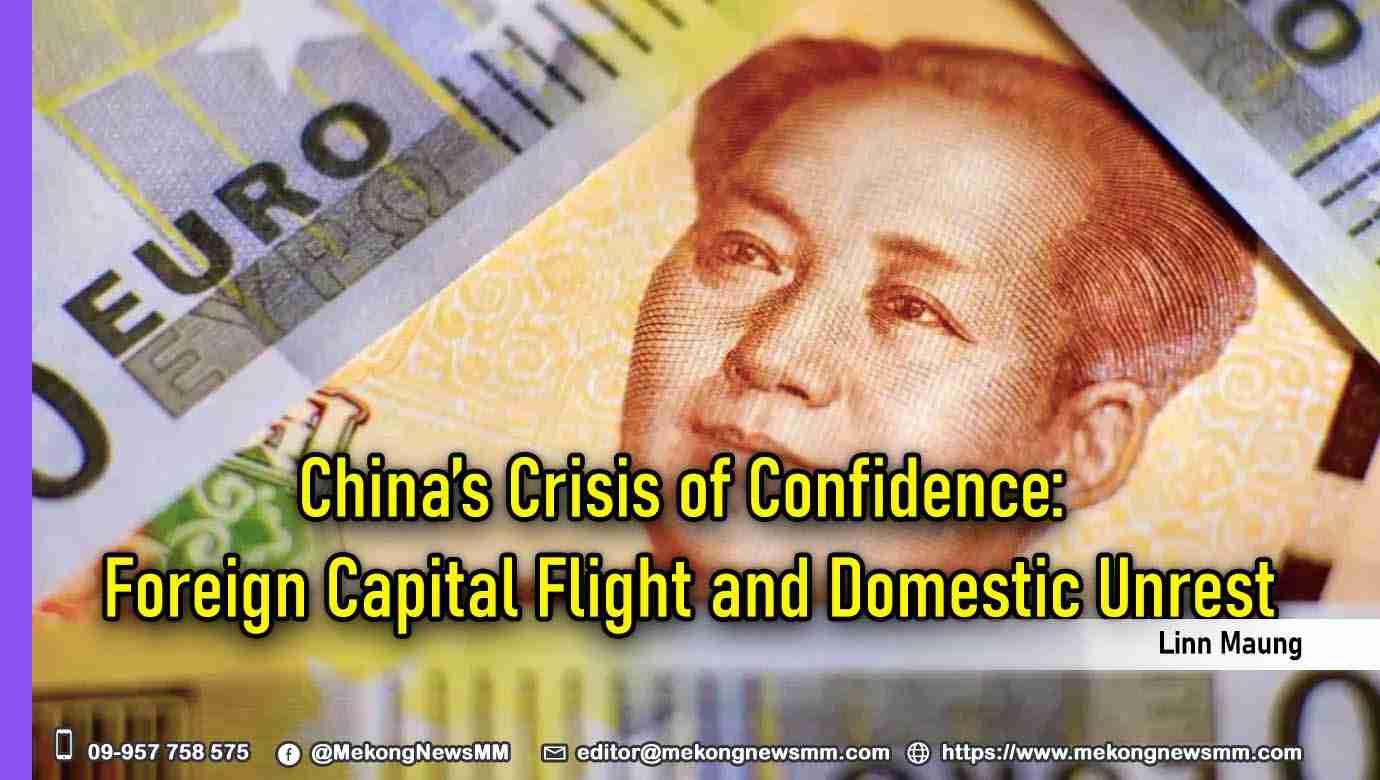
Foreign direct investment has also plummeted, falling 26.1% year‑on‑year in April. Multinational corporations are not necessarily closing factories immediately but are shifting new capacity to Vietnam, India, and Mexico, while relocating headquarters and profits abroad. Analysts believe this capital flight is one of Xi Jinping’s greatest anxieties, as it signals eroding confidence in China’s long‑term prospects.
Social Unrest and Political Risks:
The fiscal crisis has spilled into society. Wage delays, cancelled allowances, and unpaid construction projects have triggered protests across provinces. In 2025, more than 5,000 demonstrations were recorded nationwide, with similar unrest continuing into 2026. Teachers, civil servants, and migrant workers have clashed with employers over unpaid wages. Online criticism of the Communist Party and Xi Jinping has grown, despite censorship efforts. Commentators warn that beneath the surface of stability measures, unrest is bubbling, likening the situation to “lying on a volcano.”
China’s economic trajectory in 2026 reveals a systemic crisis that is both economic and political. Official narratives of prosperity contrast sharply with the lived experiences of citizens facing unemployment, declining consumption, and widening inequality. Fiscal haemorrhaging, foreign capital withdrawal, and mounting social unrest point to vulnerabilities that cannot be masked by rhetoric alone. The challenge for China’s leadership lies not only in stabilizing the economy but also in addressing the growing disconnect between its promises and the realities on the ground. Without genuine reforms, the risk of deeper instability looms large.
References:
https://www.ft.com/china-economy-2026
https://www.reuters.com/world/china-economic-outlook-2026
https://www.bbc.com/news/business-china-crisis
https://www.scmp.com/economy/china-debt-analysis
https://www.nytimes.com/china-economic-slowdown
https://www.economist.com/china-economic-decline
#MeKongNews