

~ Linn Maung ~
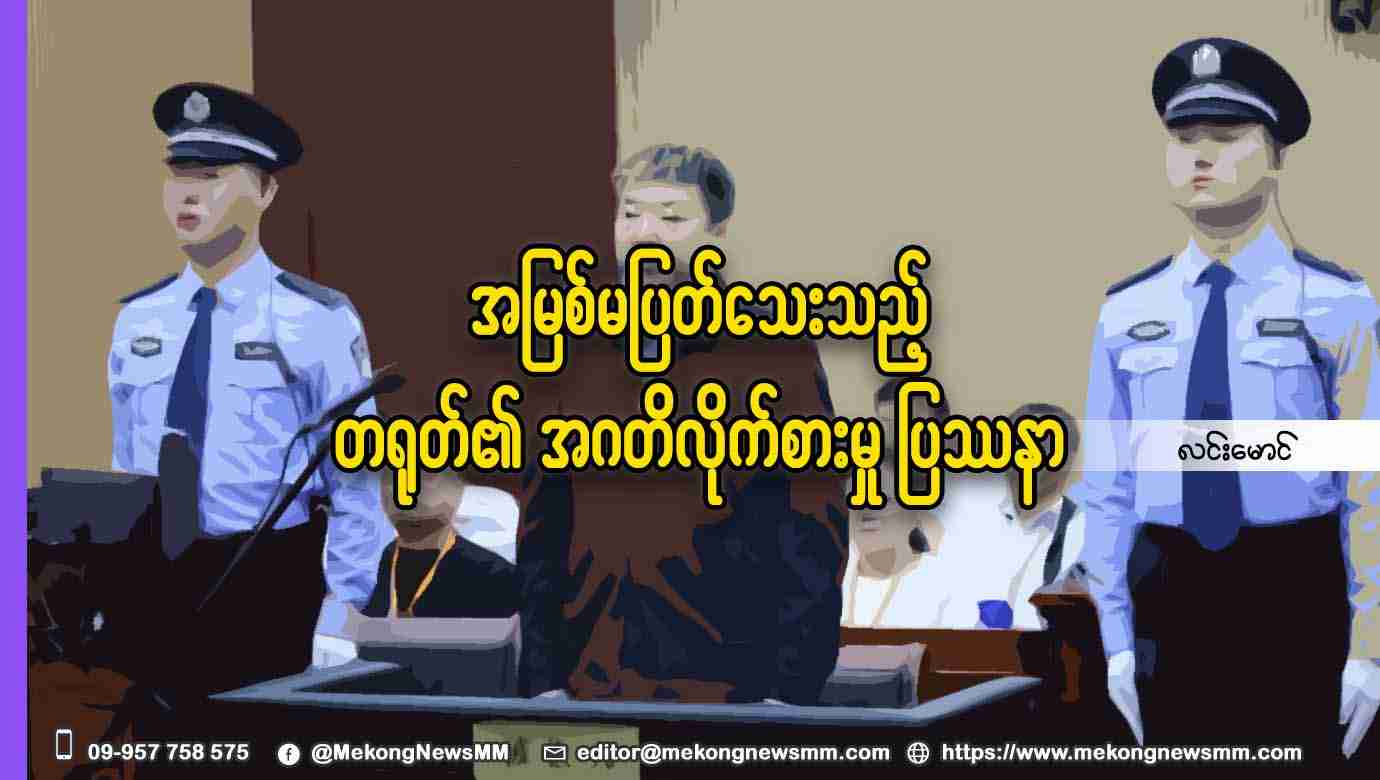
In recent years, the Chinese government has faced mounting accusations of cultural genocide against the ethnic Mongol community in Inner Mongolia. A significant catalyst for these allegations has been the government’s controversial ‘Bilingual Education Policy’, introduced in 2020. This policy aims to phase out the Mongolian language in education, replacing it with Mandarin Chinese. The consequences of this policy have been profound, sparking widespread protests, arrests, and a pervasive atmosphere of surveillance and repression.
The ‘Bilingual Education Policy’, ostensibly designed to promote Mandarin proficiency among ethnic minorities, has rapidly transformed the educational landscape in Inner Mongolia. Initially, the policy targeted specific subjects, such as politics and history, but quickly escalated to encompass the entire curriculum. This shift has been met with fierce resistance from the Mongolian community, who view it as an existential threat to their language, culture, and identity. The Mongolian language is not merely a means of communication; it embodies the community’s history, traditions, and worldview. By replacing it with Mandarin, the Chinese government effectively undermines the foundation of Mongolian cultural identity.
The announcement of the education policy ignited widespread protests across Inner Mongolia. Thousands of Mongolian parents and students took to the streets, demanding the preservation of their language and cultural rights. However, the Chinese government responded with a heavy-handed crackdown. Reports indicate that thousands of protesters were arrested, with many remaining under surveillance. The arrests were often justified under vague charges such as “picking quarrels and provoking trouble,” which have been used to target peaceful demonstrators and stifle dissent. This harsh response reflects a broader strategy of the Chinese authorities to suppress any form of resistance within ethnic minority communities.
The suppression of the Mongolian language is part of a broader agenda aimed at cultural assimilation. The Chinese government has long promoted the idea of a unified national identity, often at the expense of ethnic minorities. This policy of assimilation is not new; it has historical roots dating back to the Cultural Revolution when over a million ethnic Mongols were persecuted, and tens of thousands were killed. The current language policies echo this historical repression, as they seek to erase the unique cultural and linguistic characteristics of the Mongol community.
The implications of the Bilingual Education Policy extend beyond cultural erosion; they also raise serious legal and ethical concerns. The policy violates China’s own constitution, which ostensibly guarantees the rights of ethnic minorities to preserve their language and culture. Furthermore, it contravenes several international conventions, including the United Nations Declaration on the Rights of Indigenous Peoples, which emphasizes the importance of protecting native languages. By disregarding these commitments, the Chinese government not only undermines its own legal framework but also flouts international norms regarding human rights.
Efforts to curb dissent have been further compounded by stringent media censorship. Chinese authorities have implemented rigorous controls over the flow of information, making it increasingly difficult for protesters to share their experiences and organize resistance. The state-run media often portrays the protests as disturbances caused by external forces, thereby delegitimizing the grievances of the Mongolian community. This manipulation of information serves to isolate the protesters and dampen international awareness and support for their cause.
The situation in Inner Mongolia has drawn significant attention from human rights groups and international observers. Organizations such as Human Rights Watch and Amnesty International have condemned the Chinese government’s actions as cultural genocide. They argue that the systematic suppression of the Mongolian language and culture constitutes a deliberate attempt to erase the Mongolian identity. Furthermore, the United Nations has called for investigations into the human rights violations occurring in Inner Mongolia, highlighting the need for accountability and action.
The consequences of these policies extend far beyond the immediate suppression of language. The erosion of the Mongolian language in education threatens the transmission of cultural knowledge and practices to future generations. Children are being educated in a language that is foreign to their heritage, which can lead to a disconnect from their cultural roots. Moreover, the psychological impact of living under constant surveillance and fear of arrest fosters an atmosphere of despair and hopelessness within the community.
The plight of the ethnic Mongol community in Inner Mongolia encapsulates the broader struggle of indigenous populations worldwide against cultural assimilation and genocide. The Chinese government’s Bilingual Education Policy not only threatens the Mongolian language but also seeks to erase a rich cultural heritage that has existed for centuries. As international condemnation grows, it is crucial for the global community to stand in solidarity with the Mongolian people, advocating for their rights and recognizing the significance of preserving linguistic and cultural diversity. The fight against cultural genocide is not just a local issue; it is a universal struggle for human dignity, identity, and the right to exist in one’s own cultural space. The future of the Mongolian community depends on collective awareness and action to combat these injustices.
#MeKongNews